

Etiopia BOMBE Filter
Etiopia BOMBE Filter
SKU:NOM-ETIO-250-CFB
 Altitude:
- 1920-2020
- Earn Points with Membership
- Extensive Warranty & Return
- Free Shipping Available
Couldn't load pickup availability
Tasting Note:
This coffee is distinguished by its floral and fruity notes, with blueberries and a touch of white sugar that give it a subtle sweetness. In the aftertaste, we find hints of 70% chocolate and red plum, adding depth and complexity. Its profile reflects the best of the coffees from the Sidamo region, with a complexity that highlights its unique characteristics.
About:
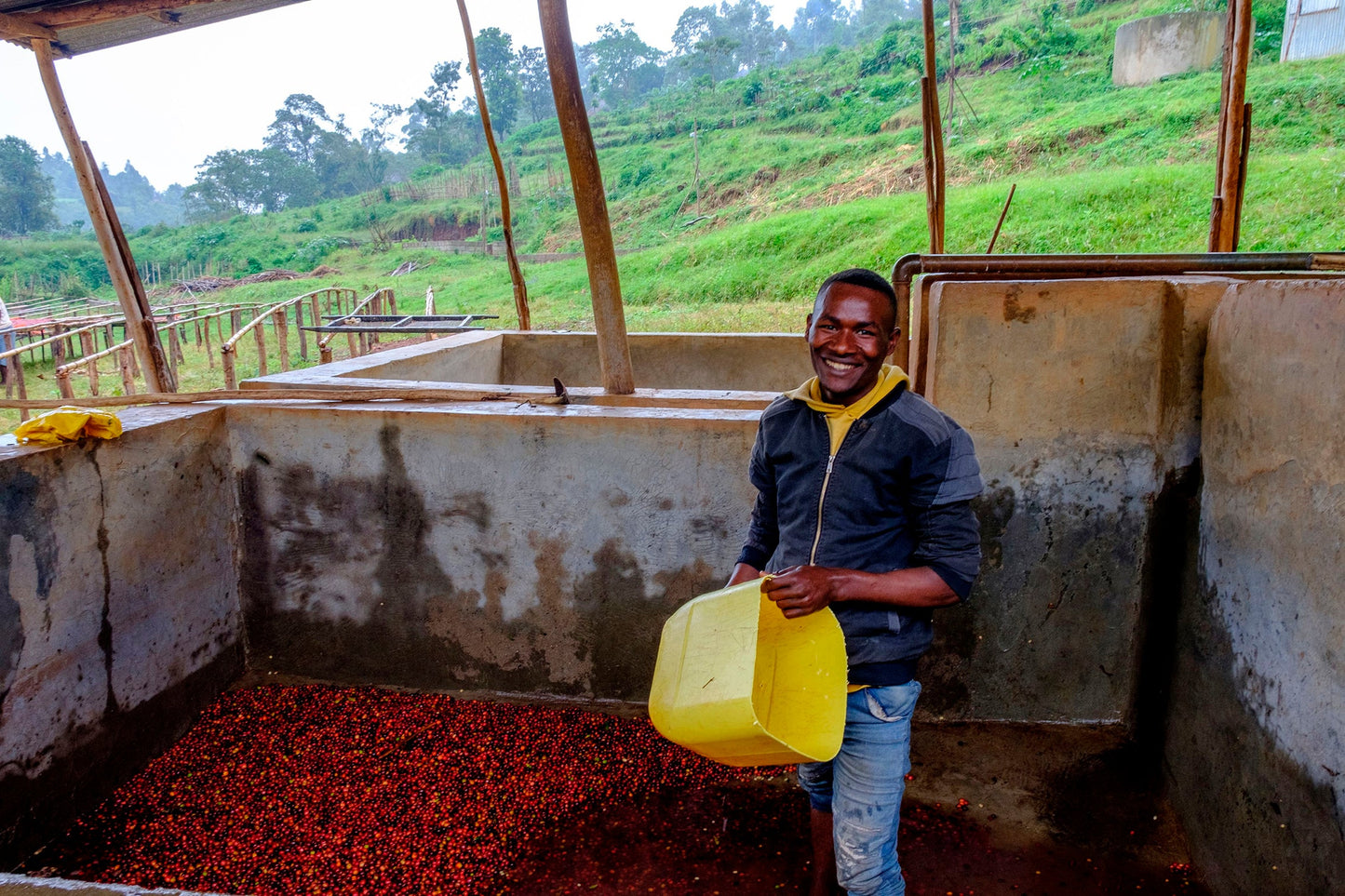
The Ayla Washing Station was founded in 2018 by Faysel Abdosh, who named the station after his niece. Approximately 800 local farmers deliver their cherries to this station, where coffee is grown at high altitudes between 1,950 and 2,000 meters above sea level on small plots of about 0.5 hectares. Testi Specialty Coffee, Faysel's company, is also involved in the welfare of the local community, having helped build schools, support clean water projects and connect homes to the power grid in the Sidamo region.
A note about Sidamo
Sidamo is one of Ethiopia's most renowned regions for the production of specialty coffees. The traditional methods of cultivation and the altitude of the farms create the ideal conditions for the development of coffees with floral and fruity flavors, which stand out for their quality and complexity.
Ethiopian Grade 1 Coffee
Grade 1 in Ethiopia is the highest grade, based on visual inspection for defects and cup quality. Only coffees free of defects and cup faults receive this classification, which guarantees an exceptional level of quality.
Process
Farmers carry out a selective manual harvest of ripe red cherries, which are then delivered to the Washed Ayla station. There, the cherries undergo a visual inspection and any damaged or unripe cherries are removed. The cherries are then pulped and fermented for 36 to 48 hours in fermentation tanks. After fermentation, the parchment is washed with clean water and dried on raised beds, where it is stirred frequently to ensure uniform drying.